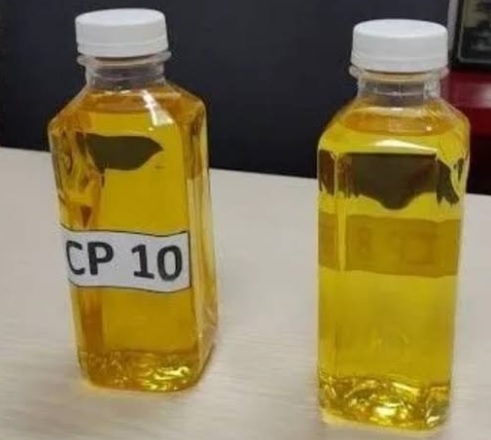
Indonesia is widely recognized as a global leader in the palm oil industry, including the export of CP 10 grade palm olein. With increasing worldwide demand for affordable and versatile edible oils, Indonesian exporters have become key suppliers to many international markets. Their ability to provide consistent quality and competitive pricing makes CP10 from Indonesia highly attractive to buyers across Asia, Africa, and the Middle East.
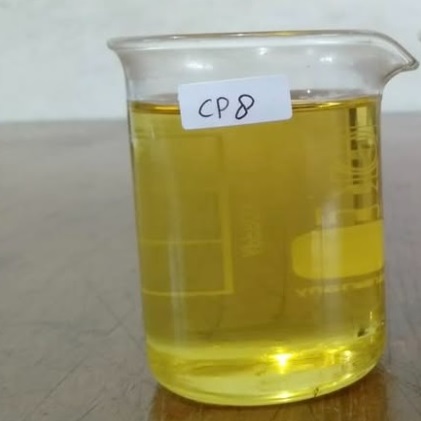
CP10 is a category of refined, bleached, and deodorized (RBD) palm olein with a maximum free fatty acid (FFA) content of 10%. This grade is commonly used in food manufacturing, deep-frying, and various industrial processes because of its stability and cost efficiency. As one of the largest producers of palm oil globally, Indonesia has the capacity to meet large-scale demand while maintaining steady supply.
A major advantage of Indonesian CP 10 exporters is their well-integrated supply chain. The industry is supported by vast plantations, modern processing mills, and advanced refining facilities. Palm fruit is processed quickly after harvesting, which helps preserve quality and control FFA levels. In addition, Indonesia’s export infrastructure is highly developed, with major ports facilitating efficient shipping to global destinations.
Exporters typically supply CP10 in bulk, often using ISO tank containers to ensure product integrity during transport. However, packaging can be customized to meet buyer needs, including smaller containers for retail or specific industrial uses. Flexible payment methods, such as Letters of Credit, are commonly offered to support smooth international transactions and build trust with overseas clients.
Indonesia’s strong position in the CP10 market is also driven by its cost competitiveness. With abundant raw materials and large-scale production capabilities, exporters are able to offer attractive pricing compared to suppliers in other regions. This makes Indonesian CP10 especially appealing for industries that require large volumes of oil at efficient costs, such as snack production, instant foods, and margarine manufacturing.
Maintaining quality is a top priority for exporters. Many Indonesian suppliers adhere to national and international standards, including the Indonesian National Standard (SNI). They also provide supporting documents like Certificates of Analysis to confirm product specifications, including FFA levels, moisture, and peroxide values. These measures help ensure that the oil meets the requirements of different global markets.
In recent years, sustainability has become an increasingly important focus within the Indonesian palm oil sector. Exporters are adopting more responsible practices, such as improving traceability, reducing environmental impact, and complying with sustainability certification programs. These efforts are particularly important for markets that emphasize environmentally friendly sourcing.
A wide range of companies in Indonesia are involved in exporting CP10, from large agribusiness corporations to smaller trading firms. This diversity allows the industry to serve different types of buyers and adapt to varying market needs. It also reflects the strength and flexibility of Indonesia’s palm oil export sector.
Overall, Indonesia continues to play a significant role in supplying CP10 palm olein to the global market. With its strong production base, efficient logistics, competitive pricing, and growing commitment to sustainability, the country remains a reliable and preferred source for this essential commodity.