Palm Oil Indonesia

Palm Oil

Categories
Uncategorized

RBD Palm Oil Exporters

Indonesia is the world’s largest producer and exporter of palm oil, supplying a significant portion of the global demand for vegetable oils. Among the many palm oil derivatives exported from the country, Refined, Bleached, and Deodorized (RBD) palm oil is one of the most important products. Indonesian RBD palm oil exporters play a crucial role in the global edible oil market by providing high-quality refined palm oil used in food processing, cooking oil production, and various industrial applications.

What is RBD Palm Oil?

RBD palm oil refers to palm oil that has undergone a refining process to remove impurities, color, and odor. The process includes refining, bleaching, and deodorizing crude palm oil (CPO), resulting in a clean, neutral oil suitable for food manufacturing and other industrial uses. RBD palm oil can be further processed into products such as RBD palm olein, palm stearin, and other derivatives widely used in cooking oils, margarine, bakery products, cosmetics, and biodiesel production.

Indonesia’s Role in the Global Palm Oil Market

Indonesia dominates the global palm oil industry due to its vast oil palm plantations, advanced processing facilities, and strong export infrastructure. The country exports millions of tons of palm oil and its derivatives each year to markets around the world. Major importing countries include India, China, Pakistan, and several nations in Europe, Africa, and the Middle East.

Exports include both crude palm oil and refined products such as RBD palm oil, RBD palm olein, and palm kernel oil. These products are shipped to more than 30 countries and contribute significantly to Indonesia’s foreign exchange earnings. Provinces such as Riau, North Sumatra, and West Kalimantan are key hubs for palm oil production and export activities.

Key Indonesian RBD Palm Oil Exporters

Indonesia is home to many large palm oil companies and refineries that export RBD palm oil globally. Some of the well-known exporters include integrated plantation groups and refining companies that operate large processing facilities near ports to support efficient international trade. These exporters supply bulk and packaged RBD palm oil to food manufacturers, distributors, and wholesalers worldwide.

Many Indonesian exporters comply with international quality standards and sustainability certifications such as RSPO (Roundtable on Sustainable Palm Oil) and ISPO (Indonesian Sustainable Palm Oil). These certifications help ensure responsible production practices and increase acceptance in global markets.

Export Regulations and Policies

The Indonesian government regulates palm oil exports through taxes and levies based on global prices. Refined palm oil products like RBD palm oil typically have lower export levies than crude palm oil, encouraging domestic refining and value-added processing within the country. 

In recent years, the government has also adjusted export policies to balance domestic cooking oil supply with international demand. These regulations can influence export volumes and pricing, but Indonesia remains a dominant supplier of palm oil products worldwide.

Global Demand and Market Opportunities

Global demand for vegetable oils continues to grow due to population growth, food processing expansion, and the increasing use of biofuels. As a result, Indonesian RBD palm oil exporters have strong opportunities in emerging markets such as Africa, South Asia, and the Middle East. RBD palm olein exports alone have reached millions of tons annually, highlighting the strong international demand for refined palm oil products. 

Conclusion

Indonesia’s RBD palm oil exporters are key players in the global edible oil industry. With abundant raw materials, modern refining facilities, and strong export networks, Indonesia continues to lead the international palm oil market. As global demand for vegetable oils grows, Indonesian Palm Oil exporters are well positioned to expand their presence and supply high-quality RBD palm oil to customers around the world.

RBD Palm Oil Exporters
Categories
Uncategorized

Cooking Oil Exporters

Indonesia is one of the world’s leading producers and exporters of cooking oil, driven primarily by its strong palm oil industry. As the largest palm oil exporter and producer globally, Indonesia has developed an extensive refining and export network that supplies cooking oil to markets across Asia, Africa, the Middle East, Europe, and the Americas. Indonesian cooking oil exporters play a vital role in ensuring global food security by providing affordable and versatile edible oil products.

Strong Raw Material Advantage

The foundation of Indonesia’s cooking oil export sector lies in its vast oil palm plantations spread across Sumatra, Kalimantan, Sulawesi, and Papua. These regions provide a steady supply of crude palm oil (CPO), which is processed into refined cooking oil. The country’s tropical climate, fertile soil, and year-round harvesting cycles give Indonesia a natural competitive advantage in maintaining high production volumes.

Large integrated companies operate plantations, palm oil mills, refineries, and packaging facilities, ensuring consistent quality control and efficient supply chains. This vertical integration enables exporters to offer competitive prices while meeting international standards.

Leading Export Companies

Several major corporations dominate Indonesia’s cooking oil export market. Companies such as Wilmar International, Golden Agri-Resources (GAR), Musim Mas, and Sinar Mas Agro Resources and Technology (SMART) are among the largest players. These companies produce refined, bleached, and deodorized (RBD) palm olein, which is commonly used as cooking oil in households and food processing industries worldwide.

In addition to multinational corporations, numerous medium-sized refiners and trading companies contribute to exports. Many suppliers offer private-label packaging services, bulk shipments, and customized specifications tailored to buyers’ needs.

Product Types and Applications

Indonesian cooking oil exporters supply a variety of products, including:

  • Refined Palm Olein: The most widely exported cooking oil, suitable for frying and general cooking.

  • Blended Cooking Oil: Mixtures of palm oil with other vegetable oils to meet specific taste or nutritional preferences.

  • Industrial Frying Oil: Used by food manufacturers, restaurants, and fast-food chains.

  • Bulk and Retail Packaging: Exporters provide flexible packaging options ranging from small retail pouches to large bulk containers.

Palm-based cooking oil is popular because of its long shelf life, high smoke point, and cost efficiency compared to other vegetable oils such as soybean or sunflower oil.

Key Export Markets

Indonesia exports cooking oil to major importing countries such as India, China, Bangladesh, Pakistan, Nigeria, Egypt, and several Middle Eastern nations. These markets rely on Indonesian supply to meet growing domestic demand driven by population growth and expanding food industries.

Cooking oil exports contribute significantly to Indonesia’s foreign exchange earnings. The sector supports millions of jobs, from plantation workers and refinery operators to logistics and port services.

Sustainability and Industry Challenges

While the industry is economically important, it faces challenges including fluctuating global prices, trade policies, and environmental concerns. Issues related to deforestation and sustainability have drawn international attention. In response, many exporters comply with sustainability certifications such as the Indonesian Sustainable Palm Oil (ISPO) and Roundtable on Sustainable Palm Oil (RSPO) standards.

The Indonesian government has also implemented domestic market obligations and biodiesel programs to stabilize supply and prices. These policies sometimes affect export volumes but aim to balance domestic needs with international trade commitments.

Future Outlook

The future of Indonesia’s cooking oil export sector remains strong. Rising global demand for affordable edible oils, particularly in developing countries, presents continued growth opportunities. By improving sustainability practices, enhancing refining technology, and expanding value-added products, Indonesian cooking oil exporters are well positioned to maintain their leadership in the global market.

Indonesia’s cooking oil industry continues to serve as a cornerstone of the nation’s agricultural economy and a key supplier to kitchens around the world.

If you want to order Indonesia palm oil or other palm derivatives oil, you can contact us. 

Cooking Oil Exporters
Categories
Uncategorized

Palm Oil Suppliers

Palm Oil Suppliers

Indonesia is the world’s largest producer and exporter of palm oil, making its suppliers vital players in the global vegetable oil supply chain. Palm oil from Indonesia is widely used in food processing, cosmetics, pharmaceuticals, animal feed, and biofuel production. With vast plantation areas, integrated processing facilities, and strong export networks, Indonesian palm oil suppliers serve customers across Asia, Europe, the Middle East, Africa, and the Americas.

Extensive Plantation and Supply Network

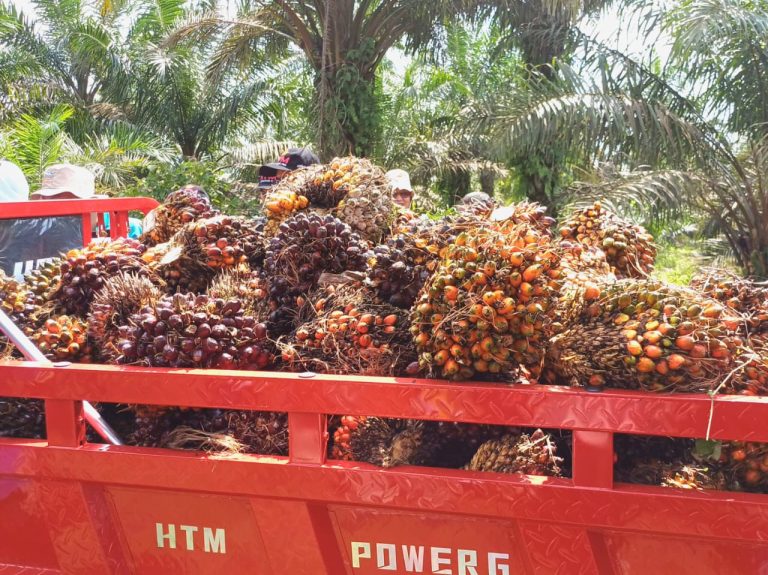
Palm oil production in Indonesia is concentrated in regions such as Sumatra, Kalimantan, Sulawesi, and Papua. The country’s tropical climate and fertile soil provide ideal conditions for oil palm cultivation. Fresh fruit bunches (FFB) harvested from plantations are processed in mills to produce crude palm oil (CPO) and palm kernel oil (PKO).

Indonesia’s supply base consists of large plantation companies, private mills, cooperatives, and millions of smallholder farmers. Smallholders play a significant role in overall production, contributing a substantial portion of the national output. This diverse supply structure ensures steady production and strengthens Indonesia’s position as a reliable global supplier.

Major Palm Oil Suppliers

Several large corporations dominate Indonesia’s palm oil export market. Companies such as Wilmar International, Golden Agri-Resources, Sinar Mas Agro Resources and Technology (SMART), Musim Mas, and Astra Agro Lestari are among the leading suppliers. These companies operate integrated businesses covering plantations, refining, fractionation, and downstream processing. Their global trading networks enable them to supply bulk shipments and customized palm oil products to international buyers.

In addition to large multinationals, many medium-sized exporters and trading companies specialize in supplying refined palm oil, olein, stearin, and palm kernel derivatives. These suppliers often cater to specific regional markets or niche industrial sectors.

Wide Range of Palm Oil Products

Indonesian suppliers offer various palm oil derivatives to meet different industry needs. Crude palm oil is commonly refined into cooking oil for household and commercial use. Refined, bleached, and deodorized (RBD) palm olein is widely used in food manufacturing, including snacks, instant noodles, margarine, and bakery products.

Palm kernel oil is an important ingredient in cosmetics, soaps, detergents, and personal care products due to its high lauric acid content. Additionally, Indonesia has expanded into biodiesel production, with government blending mandates supporting domestic consumption and export opportunities.

Export Markets and Economic Contribution

Palm oil is one of Indonesia’s most valuable export commodities, generating billions of dollars annually in foreign exchange. Major buyers include India, China, Pakistan, Bangladesh, countries in the European Union, and several African nations. The industry provides employment for millions of Indonesians across plantations, mills, refineries, and logistics operations.

Indonesia’s competitive advantage lies in high yield productivity and efficient large-scale production. Compared to other vegetable oils, palm oil requires less land to produce higher output, making it cost-effective and attractive to global buyers.

Sustainability and Industry Challenges

Despite its economic importance, Indonesia’s palm oil sector faces scrutiny related to environmental and social concerns, including deforestation and land management practices. In response, many suppliers have adopted sustainability certifications such as Indonesian Sustainable Palm Oil (ISPO) and Roundtable on Sustainable Palm Oil (RSPO) standards.

Looking ahead, Indonesian palm oil suppliers are focusing on improving traceability, enhancing production efficiency, and investing in sustainable practices. With continued innovation and responsible management, Indonesia is expected to maintain its leadership as the world’s top palm oil supplier while meeting evolving global sustainability demands.

Categories
Uncategorized

Palm Oil Manufacturers

Indonesia Palm Oil Manufacturers: Driving the Global Edible Oil Industry

Indonesia is the world’s largest producer and exporter of palm oil, playing a central role in the global vegetable oil market. Palm oil is a versatile and cost-efficient commodity used in food products, cosmetics, personal care items, biofuels, and industrial applications. Indonesian palm oil manufacturers are key contributors to this global supply chain, processing crude palm oil (CPO) and refined products that are distributed to markets across Asia, Europe, Africa, and the Americas.

Strong Production Base

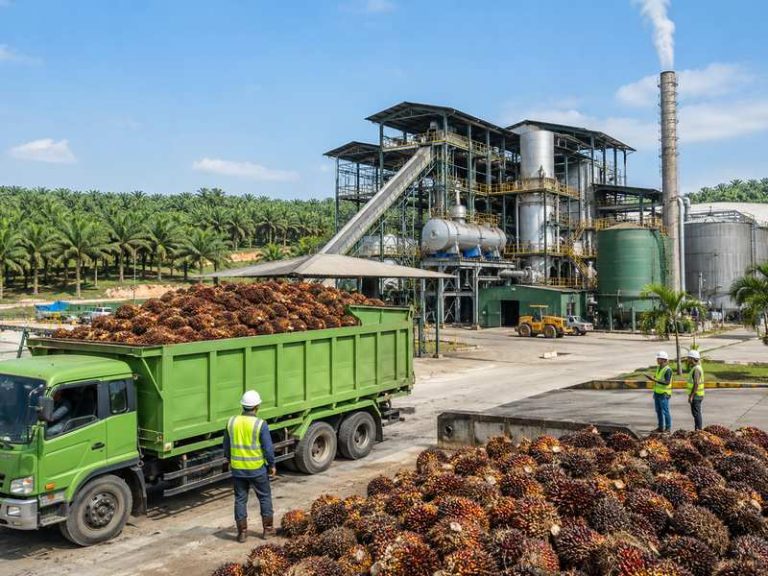
Indonesia’s palm oil industry is supported by vast oil palm plantations spread across Sumatra, Kalimantan, Sulawesi, and Papua. The tropical climate, abundant rainfall, and fertile soil create ideal growing conditions for oil palm trees. Fresh fruit bunches (FFB) harvested from plantations are transported to palm oil mills, where they are processed into crude palm oil and palm kernel oil.

Large-scale manufacturers operate integrated facilities that include plantations, milling operations, refineries, fractionation plants, and downstream processing units. This vertical integration improves efficiency, ensures quality control, and strengthens supply chain reliability.

Major Industry Players

Several large corporations dominate Indonesia’s palm oil manufacturing sector. Companies such as Wilmar International, Golden Agri-Resources, Sinar Mas Agro Resources and Technology (SMART), and Musim Mas are among the leading producers and exporters. These companies manage extensive plantation areas and operate advanced refining facilities that produce cooking oil, margarine, shortening, oleochemicals, and biodiesel.

In addition to large corporations, thousands of small and medium enterprises (SMEs) and independent mills contribute significantly to production. Smallholder farmers account for a substantial portion of Indonesia’s oil palm cultivation, making the industry an important source of rural employment and income.

Diverse Product Applications

Indonesian palm oil manufacturers produce a wide range of products. Refined, bleached, and deodorized (RBD) palm oil is commonly used in cooking oil and processed foods such as snacks, instant noodles, and baked goods. Palm kernel oil is widely utilized in cosmetics, soaps, detergents, and personal care products due to its foaming and moisturizing properties.

Another growing segment is biodiesel production. Indonesia has implemented biodiesel blending programs to reduce reliance on fossil fuels and support domestic palm oil demand. As a result, manufacturers are investing in renewable energy solutions and expanding their downstream processing capabilities.

Export Market and Economic Impact

Palm oil is one of Indonesia’s most valuable export commodities, generating billions of dollars in foreign exchange annually. Major export destinations include India, China, Pakistan, the European Union, and several African countries. The industry supports millions of jobs across plantations, processing plants, logistics, and export services.

The competitiveness of Indonesian palm oil lies in its high yield per hectare compared to other vegetable oils, making it more land-efficient and cost-effective. This efficiency helps maintain Indonesia’s leadership in the global market.

Sustainability and Challenges

Despite its economic importance, the palm oil industry faces environmental and social challenges, including deforestation concerns, land use conflicts, and greenhouse gas emissions. In response, many Indonesian manufacturers have adopted sustainability standards such as the Indonesian Sustainable Palm Oil (ISPO) certification and Roundtable on Sustainable Palm Oil (RSPO) certification.

Companies are increasingly implementing traceability systems, zero-deforestation commitments, and community engagement programs to align with global sustainability expectations.

Future Outlook

The future of Indonesia’s palm oil manufacturing industry remains strong, driven by rising global demand for edible oils and renewable energy. By enhancing sustainability practices, improving productivity, and investing in downstream innovation, Indonesian manufacturers can continue to strengthen their position as global leaders in the palm oil sector while addressing environmental responsibilities.

Indonesia’s palm oil manufacturers are not only economic powerhouses but also key players in shaping the future of sustainable agriculture and global food supply chains.

Palm Oil Manufacturers
Categories
Uncategorized

Indonesian Palm Oil Exports Increase

The Central Statistics Agency (BPS) reported that Indonesia exported 23.61 million metric tons of crude palm oil (CPO) and processed palm oil throughout 2025, a 9.09 percent increase compared to the previous year.
The value of palm oil exports reached USD 24.42 billion throughout last year, Reuters reported in Jakarta on Monday (February 2).
For the December period alone, the world’s largest palm oil producer recorded shipments of 2.75 million tons, valued at USD 2.79 billion, according to BPS data released on Monday.
BPS data only covers crude and processed palm oil, excluding palm kernel oil, oleochemicals, or biodiesel. The Indonesian Palm Oil Producers Association (GAPKI) typically releases its own export data at a different time and with a broader product range, so its export figures often differ from BPS’s.

Indonesia Refine Palm Oil Export
Categories
Uncategorized

Palm Oil Exporter

Indonesia: The World’s Leading Palm Oil Exporter

Indonesia is the largest palm oil exporter in the world, supplying a significant share of global demand for this versatile and widely used commodity. Palm oil plays a critical role in the country’s economy, providing employment for millions of people and contributing substantially to national export revenues. Over the past few decades, Indonesia has transformed its palm oil industry into a global powerhouse, surpassing neighboring Malaysia to become the top producer and exporter.

Palm oil is derived from the fruit of the oil palm tree, and it is used in a wide range of products, including food items, cosmetics, detergents, and biofuels. Indonesian palm oil is exported to major markets such as India, China, the European Union, and Pakistan. The commodity’s versatility, high yield per hectare, and relatively low production costs make it highly competitive compared to other vegetable oils like soybean or sunflower oil.

The rapid growth of Indonesia’s palm oil sector began in the 1980s and accelerated in the 1990s, driven by government policies encouraging plantation development and foreign investment. Today, millions of hectares of land across Sumatra and Kalimantan are dedicated to oil palm cultivation. The industry supports smallholder farmers as well as large plantation companies, creating income opportunities in rural areas where alternative employment may be limited.

Economically, palm oil is one of Indonesia’s most valuable export commodities. Revenue from palm oil exports contributes significantly to foreign exchange earnings and helps stabilize the national trade balance. The sector also generates tax income and stimulates infrastructure development in remote regions. Roads, ports, and processing facilities built to support palm oil production often benefit surrounding communities.

However, Indonesia’s dominance in the palm oil market has not come without controversy. The expansion of oil palm plantations has been linked to deforestation, habitat loss, and greenhouse gas emissions. Environmental groups have raised concerns about the impact on biodiversity, particularly endangered species such as orangutans and Sumatran tigers. Additionally, land disputes and labor issues have drawn attention from international observers and consumers.

In response to these concerns, the Indonesian government and industry stakeholders have taken steps to promote sustainability. Certification schemes, such as the Indonesian Sustainable Palm Oil (ISPO) standard and the Roundtable on Sustainable Palm Oil (RSPO), aim to ensure more responsible production practices. The government has also introduced policies to limit new plantation permits in primary forests and peatlands, while encouraging replanting and productivity improvements on existing land.

Global demand for palm oil remains strong, especially in emerging economies where population growth and rising incomes increase consumption of processed foods and personal care products. At the same time, international regulations and consumer preferences are pushing for stricter sustainability standards. Indonesia faces the challenge of balancing economic growth with environmental protection and social responsibility.

Looking ahead, Indonesia’s palm oil industry is expected to remain a cornerstone of the national economy. By investing in sustainable practices, improving transparency, and strengthening smallholder support, the country can maintain its leadership position while addressing environmental and social concerns. As the world’s leading palm oil exporter, Indonesia holds significant influence over the future direction of the global palm oil market.

Palm Oil Exporter
Translate »
Open Chat
Can we help you?
Can we help you?