Palm Oil Indonesia

Palm Oil

Categories
Uncategorized

Sunflower Oil Exporter

Sunflower Oil Exporter

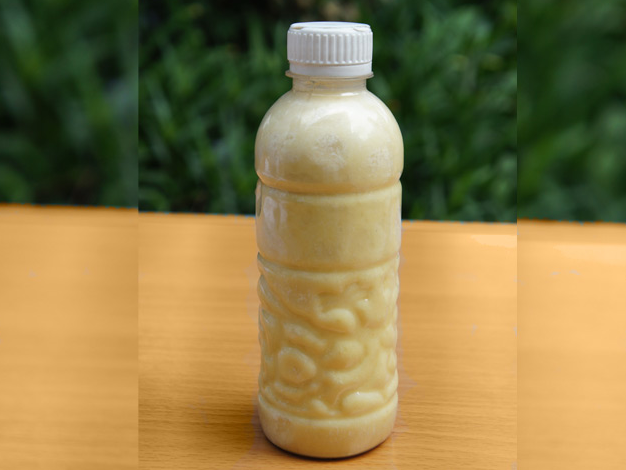
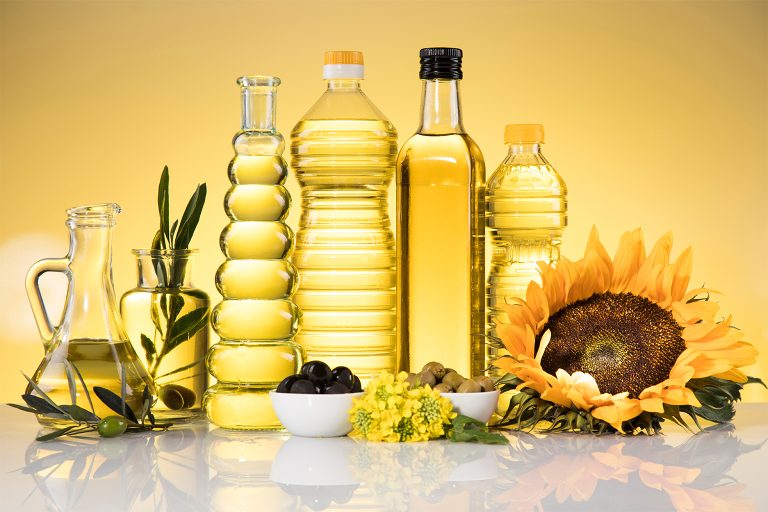
Sunflower oil is one of the most widely traded vegetable oils in the international food industry. Produced by pressing and processing sunflower seeds, it is valued for its mild flavor, versatility, and suitability for cooking and food manufacturing. For importers, wholesalers, food processors, and distributors, choosing a reliable sunflower oil exporter is essential for maintaining consistent quality, supply, and pricing.

Global demand for sunflower oil continues to grow as consumers and food manufacturers seek alternatives to other edible oils. According to the USDA, global sunflowerseed oil production for the 2025/26 marketing year is forecast at approximately 21.9 million metric tons, while exports are expected to reach about 13.7 million tons. Consumption is also projected to increase, supported by higher supply and competitive prices.

Major Sunflower Oil Exporting Countries

Russia and Ukraine remain central to the global sunflower oil trade. USDA data indicates that the two countries produce more than half of the world’s sunflowerseed and account for nearly three-quarters of global sunflower oil and meal exports. Russia was reported as the leading sunflower oil exporter in the 2024/25 season, with approximately 5.2 million tons of exports, followed by Ukraine at 4.7 million tons and Argentina at 1.3 million tons.

Other important suppliers include Türkiye, Argentina, countries within the European Union, Kazakhstan, and several Eastern European producers. In 2024, Turkey, Ukraine, the European Union, Hungary, and France were among the leading exporters of non-crude sunflower and safflower oil.

Types of Sunflower Oil for Export

A professional sunflower oil exporter may offer several product forms depending on the buyer’s requirements. Crude sunflower oil is commonly supplied to refineries and food-processing companies for further processing. Refined sunflower oil is more widely used for retail cooking, restaurants, food manufacturing, and institutional kitchens.

Exporters may also supply high-oleic sunflower oil, which is valued for its improved stability in certain cooking and food-processing applications. Products can be offered in bulk flexitanks, drums, tankers, or retail-ready bottles according to destination-market requirements.

Quality and International Trade

Quality control is an important part of sunflower oil exporting. Buyers generally look for consistent color, flavor, purity, moisture levels, and other specifications. Reliable exporters should maintain appropriate processing, storage, testing, packaging, and documentation procedures.

Exporters must also understand the regulations of destination countries, including labeling, food safety, customs documentation, packaging standards, and certificates required by individual markets. Strong logistics capabilities are equally important because sunflower oil is traded internationally in significant volumes.

Choosing a Reliable Exporter

Importers should evaluate an exporter based on product quality, production capacity, certifications, packaging options, pricing, delivery reliability, and experience with international shipments. A dependable supplier should be able to provide product specifications, certificates of analysis, commercial documentation, and clear shipment terms.

With global demand remaining strong, sunflower oil offers significant opportunities for international trade. A capable sunflower oil exporter can help buyers secure dependable supplies of quality edible oil while supporting long-term business relationships in growing food markets. The current market outlook suggests continued international demand, although prices and availability can change with harvest conditions, logistics, and geopolitical developments.

If you want to order Sunflower Oil, you can contact palm-oil-indonesia.com  .
Sunflower Oil Exporter
Categories
Uncategorized

Soybean Oil Exporter

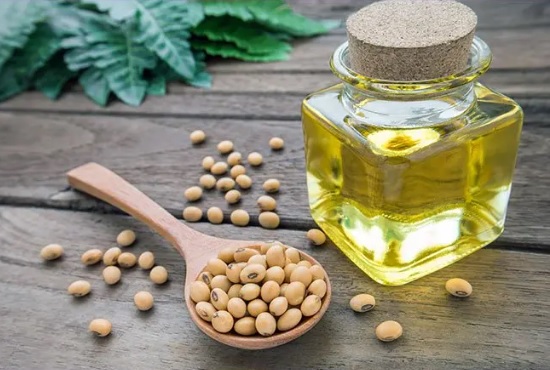
Soybean oil is one of the most widely consumed vegetable oils in the world. Extracted from soybeans, it is valued for its light flavor, nutritional benefits, and versatility in food processing, cooking, and industrial applications. As global demand for edible oils continues to increase, soybean oil exporters play an essential role in connecting manufacturers with international buyers across various industries.

A reliable soybean oil exporter supplies premium-quality oil that meets international food safety and quality standards. Exporters work closely with trusted producers and processing facilities to ensure that the oil is refined, packaged, and shipped according to customer specifications. Whether serving wholesalers, food manufacturers, retailers, or distributors, experienced exporters provide consistent quality and dependable logistics.

Soybean oil is widely used in households, restaurants, bakeries, snack production, margarine manufacturing, and the food service industry. It is also utilized in the production of biodiesel, animal feed, cosmetics, and various industrial products. This broad range of applications makes soybean oil one of the most traded vegetable oils in the global market.

Professional soybean oil exporters offer different grades of soybean oil, including crude soybean oil, refined soybean oil, and deodorized soybean oil. Buyers can choose packaging options such as retail bottles, jerry cans, drums, flexitanks, or bulk container shipments depending on their business requirements. Flexible packaging solutions help meet the needs of importers operating in different market segments.

Quality assurance is a major priority for reputable exporters. The production process includes careful refining, bleaching, and deodorization to produce oil with excellent clarity, color, and shelf life. Many exporters comply with internationally recognized certifications such as ISO, HACCP, GMP, and Halal standards, providing buyers with confidence in product quality and food safety.

Efficient logistics and supply chain management are equally important in the export business. Established soybean oil exporters coordinate documentation, customs clearance, freight forwarding, and timely shipment to ensure products arrive safely at their destinations. Reliable logistics reduce delivery delays and help maintain long-term relationships with international customers.

Sustainability has become an increasingly important consideration in the vegetable oil industry. Many soybean oil exporters source soybeans from responsible agricultural producers who follow sustainable farming practices. Environmentally responsible sourcing, efficient processing methods, and compliance with international environmental standards help exporters meet the growing expectations of global buyers.

When selecting a soybean oil exporter, importers should evaluate several important factors, including production capacity, product consistency, quality certifications, export experience, competitive pricing, and customer service. An exporter with extensive international trading experience can better understand destination market requirements and provide valuable support throughout the purchasing process.

As worldwide demand for vegetable oils continues to grow, soybean oil exporters remain key partners in the global food supply chain. Their ability to provide high-quality products, reliable delivery, competitive pricing, and customized packaging solutions enables businesses around the world to secure dependable supplies of soybean oil. By choosing an experienced and reputable exporter, importers can build long-term partnerships that support business growth while ensuring consistent product quality and customer satisfaction.

If you want to order Soybean Oil, you can contact palm-oil-indonesia.com  .
Soybean Oil Exporter
Categories
Uncategorized

Indonesia Palm Kernel Expeller

Indonesia is one of the world’s largest producers of palm oil, making it a leading supplier of palm-based by-products, including Palm Kernel Expeller (PKE). Produced during the extraction of oil from palm kernels, PKE has become an important ingredient in the global animal feed industry due to its nutritional value, affordability, and sustainable utilization of agricultural resources.

Palm Kernel Expeller is obtained after mechanically pressing the palm kernel to extract palm kernel oil. The remaining solid material is rich in fiber, moderate in protein, and contains essential nutrients that make it suitable for feeding ruminants such as dairy cows, beef cattle, goats, and sheep. It is also used in limited quantities in feed formulations for poultry, swine, and aquaculture, depending on nutritional requirements and processing methods.

Indonesia’s abundant palm oil production provides a consistent and reliable supply of high-quality PKE throughout the year. Modern processing facilities ensure that the product meets international quality standards, with careful control of moisture, oil content, and contamination levels. Exporters also conduct regular laboratory testing to guarantee compliance with customer specifications and importing country regulations.

One of the key advantages of Indonesian Palm Kernel Expeller is its cost-effectiveness. Compared to other protein and fiber feed ingredients, PKE offers livestock producers an economical option without compromising nutritional performance. Its high digestible fiber content supports rumen health in cattle, while its residual oil provides additional energy. Many nutritionists incorporate PKE into balanced feed rations to optimize feed efficiency and reduce overall feeding costs.

Sustainability is another important factor driving the global demand for Indonesian PKE. As a by-product of palm kernel oil production, PKE contributes to the efficient use of agricultural resources by minimizing waste and maximizing the value extracted from every harvested oil palm fruit. Many Indonesian producers are committed to sustainable palm oil practices, implementing responsible sourcing, environmental management, and traceability systems that align with international market expectations.

Indonesia exports Palm Kernel Expeller to numerous countries across Asia, Europe, the Middle East, and Oceania. The product is commonly shipped in bulk vessels or packed in jumbo bags according to buyer requirements. Reliable logistics infrastructure, competitive pricing, and strong export experience have strengthened Indonesia’s position as a trusted supplier in the international feed ingredient market.

Quality specifications may vary depending on the production process, but typical Indonesian PKE contains moderate crude protein, high crude fiber, low moisture, and residual oil that enhances its energy value. Buyers should work with reputable suppliers who provide detailed product specifications, certificates of analysis, and quality assurance documentation for every shipment.

As global demand for sustainable and economical livestock feed ingredients continues to grow, Indonesian Palm Kernel Expeller remains an attractive solution for feed manufacturers and livestock producers. Its consistent availability, competitive pricing, dependable nutritional profile, and contribution to circular agricultural practices make it a valuable commodity in international feed markets. With continued investment in processing technology and sustainable production, Indonesia is well positioned to maintain its leadership as a reliable source of high-quality Palm Kernel Expeller for customers around the world.

Indonesia Palm Kernel Expeller
Categories
Uncategorized

Danantara to Manage Palm Oil Exports


The government will soon begin implementing a new export governance policy for strategic natural resource commodities through PT Danantara Sumberdaya Indonesia (DSI) Persero.

This policy follows up on President Prabowo Subianto’s directive to strengthen oversight and increase the benefits of natural resource management for public welfare.

Coordinating Minister for Economic Affairs Airlangga Hartarto stated that the government is undertaking fundamental improvements to the export governance of strategic commodities, which have long been a key pillar of the national economy.

Initially, the policy will be applied to three main commodities: coal, palm oil, and ferroalloys, which are the largest contributors to Indonesian exports.

According to Airlangga, the one-stop export mechanism through PT DSI is designed to strengthen oversight of export activities, improve the quality of trade data, and prevent practices detrimental to the state, such as under-invoicing, transfer pricing, and foreign exchange misappropriation.

“The government will fundamentally improve the governance of strategic natural resource commodity exports through state-owned exporting companies. The implementation will begin with three strategic commodities: coal, palm oil, and ferroalloy,” Airlangga said in a press conference at Wisma Danantara on Sunday (May 31, 2026).

He explained that through this new system, all strategic commodity export activities will be monitored through PT DSI, the state-owned exporting company.

This measure is expected to ensure that recorded export values ​​reflect actual transactions, thus optimizing obligations to the state and state revenue from the export sector.

“This regulation aims to strengthen export oversight and governance. The goal is to prevent under-invoicing, transfer pricing, and foreign exchange fraud, ensuring that recorded export values ​​truly reflect the true value of transactions,” said Airlangga.

Airlangga revealed that these three commodities contributed US$66.13 billion in export value throughout 2025, or approximately 23.4 percent of total national exports.

The breakdown consists of coal exports worth US$24.48 billion, palm oil US$24.42 billion, and ferroalloy US$16.49 billion.

“These commodities are the backbone of Indonesia’s trade balance surplus, which has lasted for 71 consecutive months,” he said.

The government has set a policy transition period starting June 1, 2026.

During this period, export activities will continue as usual by each company.

However, exporters are required to report all their export activities to PT DSI through a system integrated with the CEISA 4.0 portal of the Directorate General of Customs and Excise.

“Starting June 1, 2026, a transition period will be implemented. Export activities will continue as usual, but companies are required to report their export activities to PT DSI. An evaluation will be conducted within the first three months to form the basis for implementing the next phase,” explained Airlangga.

He added that the full implementation of the one-stop export policy is targeted to take effect no later than January 1, 2027.

The government is giving businesses time to adjust to existing business systems and trade contracts.

“With this transition period, exporters have sufficient time to make adjustments. The government continues to maintain business certainty, the flow of goods, export realization, and honor existing contracts with trading partners,” said Airlangga.

According to him, this policy is part of the state’s efforts to ensure that the management of strategic natural resources is carried out in a more coordinated, transparent, and accountable manner.

“With this new export governance policy, implementation steps have been prepared and are expected to ensure that every strategic export value provides tangible benefits to stimulate the economy and is also allocated for the greatest prosperity of the Indonesian people,” Airlangga emphasized.

If you want to buy palm oil products, you can contact palm-oil-indonesia.com

danantara manage palm oil export
Categories
Uncategorized

Indonesia PFAD Exporters

Indonesia PFAD Exporters

Indonesia is one of the world’s largest producers of palm oil and palm-based derivatives. Among the many by-products generated from palm oil refining, Palm Fatty Acid Distillate (PFAD) has become an important export commodity. PFAD is widely used in industries such as animal feed, biodiesel, soap manufacturing, oleochemicals, and candles. With the rapid growth of global demand for sustainable raw materials, Indonesia has strengthened its position as a leading exporter of PFAD to international markets.

PFAD is obtained during the refining process of crude palm oil. Although it is considered a by-product, it contains valuable free fatty acids, making it highly useful for industrial applications. Indonesian PFAD exporters benefit from the country’s abundant palm oil supply, advanced refining facilities, and strong logistics infrastructure. These advantages allow exporters to provide large volumes of PFAD at competitive prices while maintaining international quality standards.

Many Indonesian companies involved in PFAD exports operate integrated palm oil processing plants. These facilities ensure consistent production and quality control from plantation to export stage. Exporters typically supply PFAD in bulk shipments using ISO tanks, flexibags, or drums depending on customer requirements. Major export destinations include India, China, Europe, Bangladesh, and several countries in Southeast Asia.

One of the major drivers of PFAD demand is the biodiesel industry. PFAD serves as an affordable feedstock for biofuel production due to its high fatty acid content. As governments around the world increase the use of renewable energy, the global need for PFAD continues to grow. Indonesian exporters are well-positioned to meet this demand because of the country’s extensive palm oil refining capacity.

In addition to biodiesel, PFAD is widely used in animal feed production. It provides an economical source of energy for livestock feed manufacturers. Soap and detergent producers also use PFAD as a raw material because it helps improve product texture and cleaning performance. Furthermore, oleochemical companies process PFAD into fatty acids and glycerin for use in cosmetics, pharmaceuticals, and industrial products.

Quality assurance is an important factor for Indonesian PFAD exporters. Most exporters comply with international standards and certifications such as ISO, HACCP, and sustainability programs related to palm oil production. Many buyers also seek suppliers that follow environmentally responsible practices and sustainable sourcing policies. Indonesian exporters increasingly focus on traceability and sustainable operations to meet these market expectations.

Indonesia’s strategic location also supports efficient export operations. Major ports such as Belawan, Dumai, Surabaya, and Jakarta provide convenient shipping access to global markets. Strong transportation networks and experienced freight handling companies help ensure timely delivery and competitive export costs.

Despite strong opportunities, the PFAD export industry also faces challenges. Fluctuating palm oil prices, environmental concerns, and changing international trade regulations can affect market conditions. However, Indonesian exporters continue to adapt by improving production efficiency, investing in sustainable practices, and expanding into new markets.

Overall, Indonesia remains a dominant force in the global PFAD industry. Supported by abundant raw materials, modern refining technology, and growing international demand, Indonesian PFAD exporters continue to play an important role in supplying essential raw materials to industries worldwide. As sustainability and renewable energy become increasingly important, the future of Indonesia’s PFAD export sector looks promising.

If you want to import PFAD, you can contact Palm-Oil-Indonesia.com  .

Indonesia PFAD Exporters
Categories
Uncategorized

Indonesia CPO Export Increase 28 %

Indonesian exports continued to record positive growth at the start of the year amidst global uncertainty. Their value reached US$44.32 billion from January to February 2026, a 2.19% increase compared to the same period last year.
Mohammad Faisal, Executive Director of the Center of Reform on Economics (CORE) Indonesia, stated that several commodities driving Indonesia’s export growth include nickel and its derivatives, as well as crude palm oil (CPO).

“Nickel exports are very high at 55.9%, CPO at 28.8%. There’s also automotive exports, with vehicles also seeing a significant increase of 26.15%, and machinery at 13%,” Faisal told detikcom.

Despite global geopolitical conflicts impacting export performance, Faisal stated that the projected sharp increase in coal and CPO exports will act as a buffer against the overall export slowdown.

“So I think we have global pressure that is slowing exports, especially in manufacturing. But for commodity exports, we are experiencing a windfall from rising prices. So, the price factor is influencing it. So, volume will decrease, but prices will rise,” he added.

Bank Permata Chief Economist Josua Pardede also said that rising prices for key commodities, particularly energy, coal, and palm oil, will help support Indonesia’s export value.

“Although exports are still expected to decline slightly by -0.09% year-on-year due to the Eid al-Fitr holiday,” said Josua.

According to data from the Central Statistics Agency (BPS), Indonesia’s non-oil and gas exports rose 2.82% to US$42.35 billion. Indonesia’s top three export destinations were China, the United States, and India, contributing approximately 43.85% of Indonesia’s total non-oil and gas exports in January-February 2026.

Indonesia’s largest non-oil and gas commodity exports went to China, reaching US$10.46 billion (24.69%) in the January-February 2026 period. The commodities were dominated by iron and steel, nickel and its products, and mineral fuels.

This was followed by exports to the United States, amounting to US$5 billion (11.81%), dominated by electrical machinery and equipment and parts, footwear, clothing, and accessories (knitted). Exports to India also reached US$3.11 billion (7.35%).

The three provinces that contributed the most to national exports in January-February 2026 were West Java at US$6.45 billion (14.56%), Central Sulawesi at US$4.03 billion (9.10%), and the Riau Islands at US$3.85 billion (8.69%). These three provinces contributed up to 32.35% of total national exports.


CPO Export increase 28 %
Categories
Uncategorized

CP 10 Exporters

Indonesia is widely recognized as a global leader in the palm oil industry, including the export of CP 10 grade palm olein. With increasing worldwide demand for affordable and versatile edible oils, Indonesian exporters have become key suppliers to many international markets. Their ability to provide consistent quality and competitive pricing makes CP10 from Indonesia highly attractive to buyers across Asia, Africa, and the Middle East.

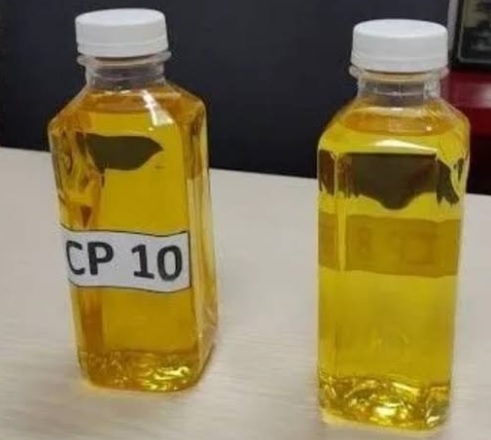
CP10 is a category of refined, bleached, and deodorized (RBD) palm olein with a maximum free fatty acid (FFA) content of 10%. This grade is commonly used in food manufacturing, deep-frying, and various industrial processes because of its stability and cost efficiency. As one of the largest producers of palm oil globally, Indonesia has the capacity to meet large-scale demand while maintaining steady supply.

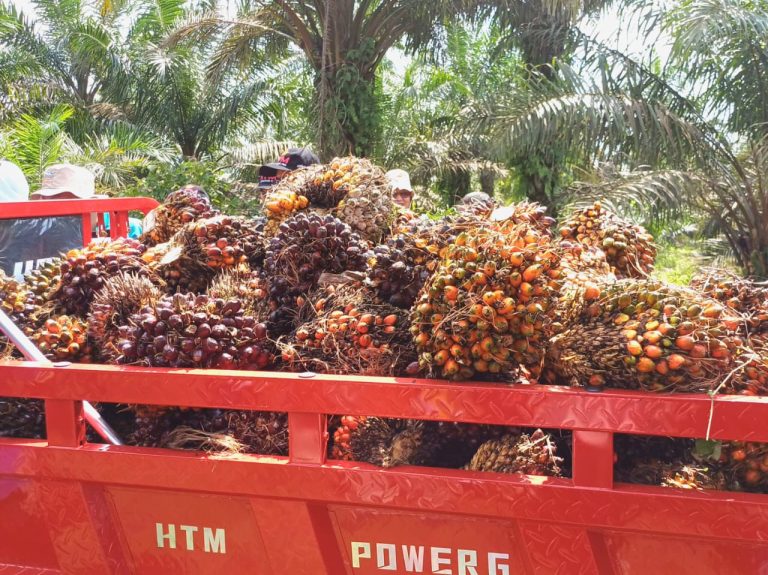
A major advantage of Indonesian CP 10 exporters is their well-integrated supply chain. The industry is supported by vast plantations, modern processing mills, and advanced refining facilities. Palm fruit is processed quickly after harvesting, which helps preserve quality and control FFA levels. In addition, Indonesia’s export infrastructure is highly developed, with major ports facilitating efficient shipping to global destinations.

Exporters typically supply CP10 in bulk, often using ISO tank containers to ensure product integrity during transport. However, packaging can be customized to meet buyer needs, including smaller containers for retail or specific industrial uses. Flexible payment methods, such as Letters of Credit, are commonly offered to support smooth international transactions and build trust with overseas clients.

Indonesia’s strong position in the CP10 market is also driven by its cost competitiveness. With abundant raw materials and large-scale production capabilities, exporters are able to offer attractive pricing compared to suppliers in other regions. This makes Indonesian CP10 especially appealing for industries that require large volumes of oil at efficient costs, such as snack production, instant foods, and margarine manufacturing.

Maintaining quality is a top priority for exporters. Many Indonesian suppliers adhere to national and international standards, including the Indonesian National Standard (SNI). They also provide supporting documents like Certificates of Analysis to confirm product specifications, including FFA levels, moisture, and peroxide values. These measures help ensure that the oil meets the requirements of different global markets.

In recent years, sustainability has become an increasingly important focus within the Indonesian palm oil sector. Exporters are adopting more responsible practices, such as improving traceability, reducing environmental impact, and complying with sustainability certification programs. These efforts are particularly important for markets that emphasize environmentally friendly sourcing.

A wide range of companies in Indonesia are involved in exporting CP10, from large agribusiness corporations to smaller trading firms. This diversity allows the industry to serve different types of buyers and adapt to varying market needs. It also reflects the strength and flexibility of Indonesia’s palm oil export sector.

Overall, Indonesia continues to play a significant role in supplying CP10 palm olein to the global market. With its strong production base, efficient logistics, competitive pricing, and growing commitment to sustainability, the country remains a reliable and preferred source for this essential commodity.

CP 10 Exporter
Categories
Uncategorized

CP 8 Exporter

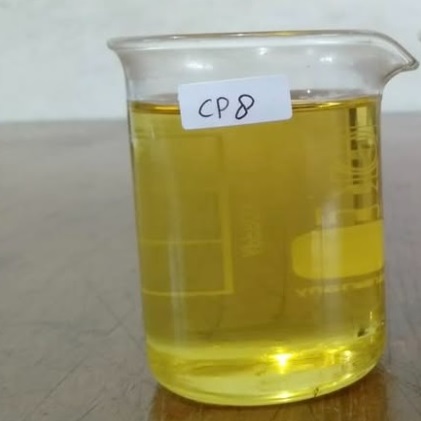
Indonesia stands as one of the largest producers and exporters of palm oil derivatives, including CP8, a refined palm olein product widely used in the global food industry. CP8 is known for its low cloud point of 8°C, which allows the oil to remain clear even in cooler temperatures. This property makes it highly suitable for cooking and food processing across different regions and climates.

A major advantage of Indonesia’s CP8 export industry is its strong supply base. The country has vast oil palm plantations located in regions such as Sumatra, Kalimantan, and Sulawesi, ensuring a steady availability of crude palm oil (CPO). This raw material is then processed into various refined products, including CP8, through advanced refining and fractionation techniques. As a result, Indonesian exporters can meet large-scale global demand consistently.

The production of CP8 involves separating palm oil into liquid and solid fractions under controlled temperatures. This process ensures that the final product maintains clarity and stability, which are essential for cooking oil applications. Indonesian manufacturers utilize modern equipment and strict quality control measures to ensure that CP8 meets international standards, making it competitive in export markets worldwide.

Quality and safety are central to the success of Indonesian CP8 exporters. Many companies adhere to globally recognized certifications such as ISO and HACCP, while also participating in sustainability initiatives like the Roundtable on Sustainable Palm Oil (RSPO). These standards not only guarantee product quality but also reflect the industry’s growing commitment to environmentally responsible production and ethical sourcing.

CP8 is widely used due to its versatility and efficiency. It is commonly used for frying because of its high resistance to oxidation and neutral flavor. In addition, it serves as an important ingredient in processed foods, including snacks, instant noodles, margarine, and baked goods. Its long shelf life and cost-effectiveness make it a preferred option for food manufacturers and distributors.

Indonesia’s export infrastructure further strengthens its position in the global market. Key ports such as Belawan, Dumai, and Tanjung Priok handle large volumes of shipments efficiently. Exporters offer a range of packaging solutions, from bulk deliveries to smaller retail packaging, depending on customer needs. Reliable logistics networks help ensure that products reach international buyers on time.

However, the industry is not without challenges. Price volatility in global markets, changing regulations, and environmental concerns continue to impact exporters. In response, Indonesian companies are focusing on improving operational efficiency, exploring new markets, and adopting more sustainable practices to stay competitive.

Overall, Indonesia’s CP8 exporters play an essential role in the international edible oil sector. With strong resources, modern production capabilities, and increasing attention to sustainability, they are well-equipped to continue growing and meeting global demand in the years ahead.

Palm-Oil-Indonesia.com also export CP 8 to clients worldwide. Please contact us for more information. 


CP 8 exporter 2026
Categories
Palm Oil

Palm Oil is The Key to Zero Diesel Import

Amid increasingly uncertain global dynamics, President Prabowo Subianto outlined a new direction for Indonesia’s energy policy.

At the Indonesia–Japan Business Forum in Tokyo, he emphasized that palm oil will be a key factor in achieving a major target: ending diesel imports by 2026.

The message was straightforward, yet meaningful. Indonesia, Prabowo said, does not want to continue relying on fossil fuels from abroad. While many countries are busy securing energy supplies, Indonesia is instead starting to build self-sufficiency from within—from plantations, from the land, from the resources it already possesses.

One concrete step being accelerated is the implementation of B50 biodiesel, a blend of diesel fuel with 50% palm oil-based biofuel. This program is an extension of the existing B40 program and serves as a foundation for significantly reducing energy imports.

“With these efforts, we will be in a secure position to face global uncertainty,” said Prabowo.

The target is clear. With the full implementation of B50, Indonesia is projected to no longer import diesel fuel. Currently, national diesel demand is still around 4.9 million kiloliters, partially met from abroad. This figure is being reduced to zero.

Minister of Energy and Mineral Resources, Bahlil Lahadalia, stated that the conversion to B50 will have a direct impact on saving the country’s foreign exchange. “If we fully implement B50, diesel imports can be stopped. We can retain foreign exchange domestically,” he said.

Government data shows a positive trend. Throughout 2025, biodiesel distribution reached 14.2 million kiloliters, or 105.2% of the target. This achievement contributed to foreign exchange savings of IDR 130.21 trillion and a reduction in carbon emissions of up to 38.88 million tons of CO2 equivalent.

Furthermore, palm oil downstreaming also drives increased economic added value. Processing Crude Palm Oil (CPO) into biodiesel is recorded as generating additional value of up to IDR 20.43 trillion.

Furthermore, the government is also preparing a long-term strategy through the development of bioethanol based on corn, sugarcane, and cassava. This program is aimed at supporting blended fuels such as E20, while expanding the use of agricultural commodities as energy sources.

In addition to biofuel, Prabowo also highlighted Indonesia’s vast geothermal energy potential. With the world’s largest reserves, this sector is considered capable of becoming the backbone of clean energy in the future.

Despite high optimism, the government remains cautious. B50 trials are scheduled to be completed in the first half of 2026 before full implementation in the second half. Furthermore, the RDMP refinery project in Balikpapan is also expected to strengthen domestic production capacity.

Indonesia’s move reflects a dual strategy: maintaining energy security while accelerating the transition to clean energy. Amid global uncertainty, this policy direction is a strong signal that Indonesia is not only resilient but also prepared to move forward.

If all goes according to plan, 2026 could be a turning point, when Indonesia truly emerges from the shadow of diesel imports, and palm oil becomes the energy of the future.


Categories
Palm Oil

Americans are starting to Love Indonesian Palm Oil

Indonesian palm oil is beginning to receive greater attention from the global market, including from consumers in the United States. This shift in preferences is seen as opening new opportunities for Indonesian vegetable oil products to expand their export markets.
Hendratmojo Bagus Hudoro, Director of Plantation Protection at the Directorate General of Plantations at the Indonesian Ministry of Agriculture, stated that there are indications of a shift in vegetable oil consumption in the US, with palm oil becoming more prominent.

He believes this trend presents a significant opportunity for Indonesia, one of the world’s largest palm oil producers.

“There’s been a consumer shift in the United States. Those who previously used more non-palm oil are now starting to switch to palm oil,” Bagus said during the Palm Oil Equivalent discussion at the Ministry of Agriculture on Monday (March 2, 2026).

This shift in preferences is inseparable from the global market’s need for more efficient and competitive vegetable oils.

“If we compare productivity and land efficiency, palm oil does have significant advantages over other vegetable oils,” he said.

In addition to changing consumption patterns, the government also sees opportunities in trade policies that can open wider market access to the US.

“Now there are new opportunities related to import tariffs that can reach 0%. This is certainly an opportunity that must be seized,” said Hendratmojo.

This momentum could be a gateway for Indonesian palm oil products to strengthen their position in the global market. The US market has a significant influence on the direction of global consumption because many other countries follow the growing trend there.

“If America starts to make palm oil one of its primary choices, usually other countries that are its partners or allies will also follow suit,” he said.

Besides the US, demand for Indonesian palm oil also remains strong from major countries such as India and China, which have long been its main export markets. A number of countries’ dependence on Indonesian palm oil supplies remains quite high.

“India and China are still highly dependent on palm oil supplies from Indonesia,” he said.

He believes that global geopolitical conditions and changing trade dynamics could also open up new opportunities for the expansion of Indonesian palm oil exports.

“Amidst the uncertain global situation, we must seize every opportunity, no matter how small, to strengthen the position of our commodity,” he said.

He also hopes that the opportunities in the US market can be maximized by national palm oil industry players.

“If we can seize this opportunity well, it will certainly have a positive impact on Indonesian palm oil exports and the welfare of domestic farmers,” he said.


Americans Love Indonesian Palm Oil
Translate »
Open Chat
Can we help you?
Can we help you?